
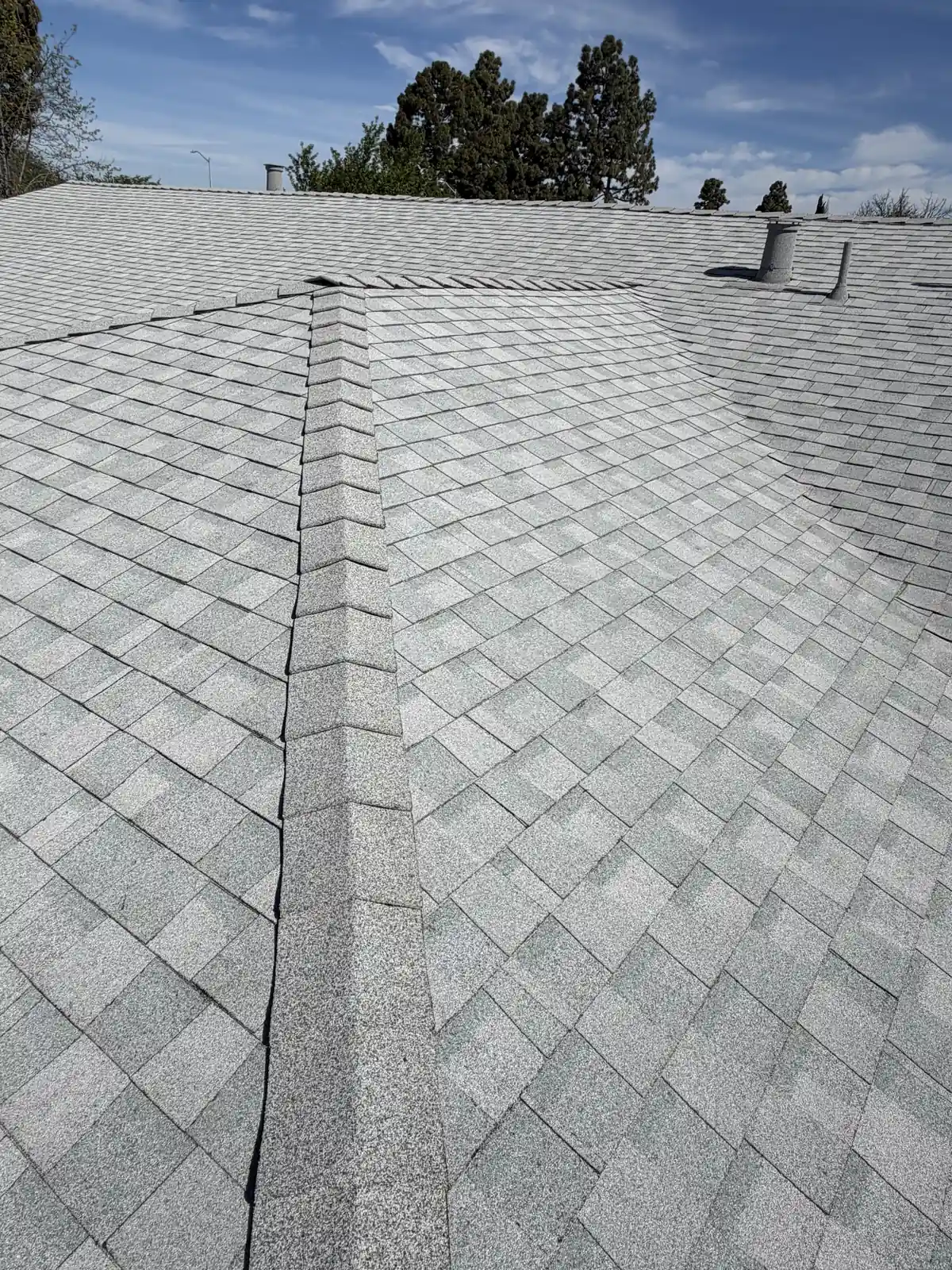
Roofing in Oakland, CA
Oakland is the largest city Sonrise Roofing serves and the most varied.
Oakland is the largest city Sonrise Roofing serves and the most varied. From our Fremont shop at 37911 Von Euw Common in the Centerville district, it is a run up Interstate 880 through Hayward and San Leandro to a city where a single afternoon can take us from a redwood-shaded Craftsman in Rockridge to a stucco hillside house in Montclair to a flat-roofed 1920s building on International Boulevard. We have roofed the East Bay since 1986, and Oakland's mix of Victorian, Craftsman, mid-century and hillside construction, in fire zones and fog zones alike, asks more of a roofer than any other city on our list.
Oakland Hills Roofs and the Lessons of the 1991 Firestorm
On October 20, 1991, a wind-driven fire in the hills above the Caldecott Tunnel became the Oakland firestorm. Over five days it burned 1,520 acres, destroyed 2,843 single-family homes and 437 apartment and condominium units, and killed 25 people, sweeping through Hiller Highlands, Upper Rockridge, Forest Park and the northwest edge of Montclair. Wood shake and shingle roofs were part of why it spread so fast; embers landed on them and lit house after house.
The building rules that followed are the reason hills roofing is different today. Oakland requires Class A fire-rated roof assemblies in its hills, and the state's Very High Fire Hazard Severity Zone maps, strengthened again in 2008, apply to nearly all of the Oakland hills with requirements for Class A roofing, ember-resistant vents and non-combustible eave construction. In practice that means a hills re-roof in Montclair, Piedmont Pines, Upper Rockridge or along Skyline Boulevard uses a Class A assembly, composition shingle over the proper underlayment, concrete or clay tile, or metal, with vents designed to keep embers out of the attic. We confirm the fire zone status of the address with the city before writing a scope, and our roof replacement estimates for hills houses spell out the assembly rating.
Rockridge and Temescal: Oakland's Craftsman and Bungalow Roofs
Rockridge, ZIP 94618, and neighboring Temescal are the heart of Oakland's Craftsman country, blocks of bungalows from the early 1900s through the 1930s off College Avenue and Telegraph Avenue, with a scattering of Tudor and Mediterranean revival houses in the upper streets toward the hills. A Craftsman roof has wide overhangs with exposed rafter tails, low to moderate pitch, a big brick chimney, and often a front porch roof at a slope too shallow for the shingles somebody put on it. Under the shingles is usually skip sheathing from the original wood shingle roof, sometimes with plywood over it and sometimes not.
A proper re-roof on one of these houses means stripping to the skip sheathing, adding solid decking where the code and the shingle require it, replacing rotted rafter tails and fascia, cutting new step and counter flashing into the chimney brick, and putting a low-slope material on the porch. Roof inspections before a purchase are a big part of our Rockridge work; a house that looks fine from the sidewalk can have three layers and a soft deck.
Montclair and the Oakland Hills: Steep Lots, Trees and Sun
Montclair, ZIP 94611, climbs from Montclair Village on Mountain Boulevard up the western slope of the Oakland hills to the ridge, with houses from the 1920s subdivision era through the mid-century modern boom and the post-1991 rebuilds. The lots are steep, the driveways are narrow, and the roofs are often hidden under redwoods, bays and Monterey pines. Above the fog line, a Montclair roof gets more sun than a house in the flats and far more debris: needles and leaves fill the valleys and gutters, and the shaded north slopes under the trees grow moss all winter.
Hills roofing is logistics as much as roofing. We plan material staging for a house where the roof is above the street on one side and three stories above the garden on the other, and we protect decks and plantings that are the whole reason people live there. Roof maintenance with moss removal and a fall gutter cleaning, through our gutters and downspouts service, is the routine that keeps a Montclair roof from an early replacement.
Laurel, Dimond and Fruitvale: Oakland's Flatland Roofs
Below the 580 freeway the housing changes again. The Laurel district, centered on MacArthur Boulevard between High Street and 35th Avenue, and Dimond next to it are streets of 1910s to 1940s bungalows and stucco cottages, ZIP 94602, on flatter lots with smaller trees. Fruitvale, ZIP 94601, around Fruitvale Avenue and International Boulevard, has some of the oldest housing in the city: Victorians and Italianate cottages from the 1880s and 1890s, Craftsmans from the 1910s and 1920s, and rows of 1920s two-story apartment and mixed-use buildings with flat roofs behind parapets.
Those flat roofs are the Oakland specialty that most residential roofers avoid. A 1920s building on International Boulevard usually has a built-up tar and gravel roof that has been patched for decades, drains that clog, parapet walls with failed cap flashing, and ponding water. We re-roof them with a single-ply membrane, tapered insulation where water stands, and new metal at the parapets and drains; that work is described on our commercial roofing page. On the pitched Victorians and Craftsmans nearby, roof repair covers the chimney flashing, the vent boots and the soffit and fascia damage from years of overflowing gutters.
Oakland Weather: Bayside Fog Below, Hills Sun Above
Oakland is in Energy Code climate zone 3, the cool marine zone, and along the flats near the bay and the estuary the summer pattern is morning fog, afternoon sun and a steady breeze through the Golden Gate. Roofs in West Oakland, Jack London and the lower Fruitvale flats stay damp into mid-morning most summer days, which grows algae on north slopes and keeps wood fascia and skip sheathing from ever fully drying. Up in the hills above the inversion layer the same July day is clear and hot, and the roofs there age from sun instead of moisture.
Winter treats both halves the same. Oakland's rain falls from November through March, and the atmospheric-river storms of the last several years, with wind off the bay pushing rain sideways into the hills, have sent water under lifted shingles, over the backs of gutters and through failed flashings all over the city. Roof leak repair and detection is a large part of what we do in Oakland between December and February, and much of it traces to a flashing that was painted instead of protected.
Stone-Coated Flashings on Oakland's Old and New Roofs
An Oakland roof has more penetrations than most: plumbing vents from a century of bathroom additions, furnace flues, kitchen exhausts, skylights, and in the hills, the ember-resistant attic vents the fire code now requires. Each one is a place for water to get in, and the standard practice is to install galvanized flashings and paint them. In the damp bayside air the paint begins to wear within the first year and rust starts at the base, which is where leaks begin.
Sonrise finishes every roof with stone-coated flashings from California Stone Coating, Inc., the Fremont manufacturer. The baked-on granule finish matches the shingle color, or is custom-blended for tile or a Craftsman's dark roof, resists rust, and is designed not to chip, peel or fade. What matters most is that the coating helps waterproof and protect the base of each flashing, the point where leaks begin. On a hills house it has one more benefit: the stone coating is fire resistant, which suits a Class A assembly. Our stone-coated flashings page covers the full product line, and explains why the finish goes on with a new roof rather than over the one already up there.
Permits from the Oakland Planning and Building Department
A re-roof in Oakland needs a permit from the City of Oakland Planning and Building Department, whose Bureau of Building issues the re-roof certificate and inspects the work. Applications go through Oakland's online permit portal, with in-person help at the Permit Center at 250 Frank H. Ogawa Plaza. For houses in the Very High Fire Hazard Severity Zone the permit review also checks the roof assembly's fire rating and the vent type, so we include that documentation up front. Title 24 cool-roof rules apply, though in climate zone 3 they are lighter than in the inland Tri-Valley. Sonrise pulls the permit and meets the inspector.
Sonrise Roofing from Fremont to Oakland and the 880 Corridor
Oakland is the northern end of our service area, reached through San Leandro and Hayward on the way up from Fremont. Every city we cover, from Oakland down to Mountain View and out to Livermore, is on our service areas hub, and each one gets the same owner-run estimate.

Testimonials
Real feedback from the East Bay and South Bay homeowners who trusted Sonrise Roofing with their roofs.
Frequently Asked Questions
Almost certainly. Nearly all of the Oakland hills fall within the Very High Fire Hazard Severity Zone, where Class A fire-rated roof assemblies and ember-resistant vents are required. We verify the designation for your address with the city before we write the scope.
Yes. We replace old built-up tar and gravel with a single-ply membrane, add tapered insulation where water ponds, and rebuild the parapet cap flashing and drains. The scope is written out on our commercial roofing page.
Everything comes off. We strip to the original skip sheathing, add solid decking where required, replace rotted rafter tails and fascia, reflash the chimney, and install the new roof on a sound deck. A pre-purchase inspection catches this before you own it.
Bayside fog keeps that slope damp through summer mornings, and algae and moss follow. Our maintenance crew cleans it, and on a re-roof we recommend algae-resistant shingles for shaded bayside slopes.

Call Sonrise Roofing for Your Oakland Roof
Hills or flats, Craftsman or flat roof, call (510) 791-6457 or send the details through our contact page. The line is answered 24 hours a day, 7 days a week, the estimate is free, and ask about our workmanship warranty when Adeline is on site.