
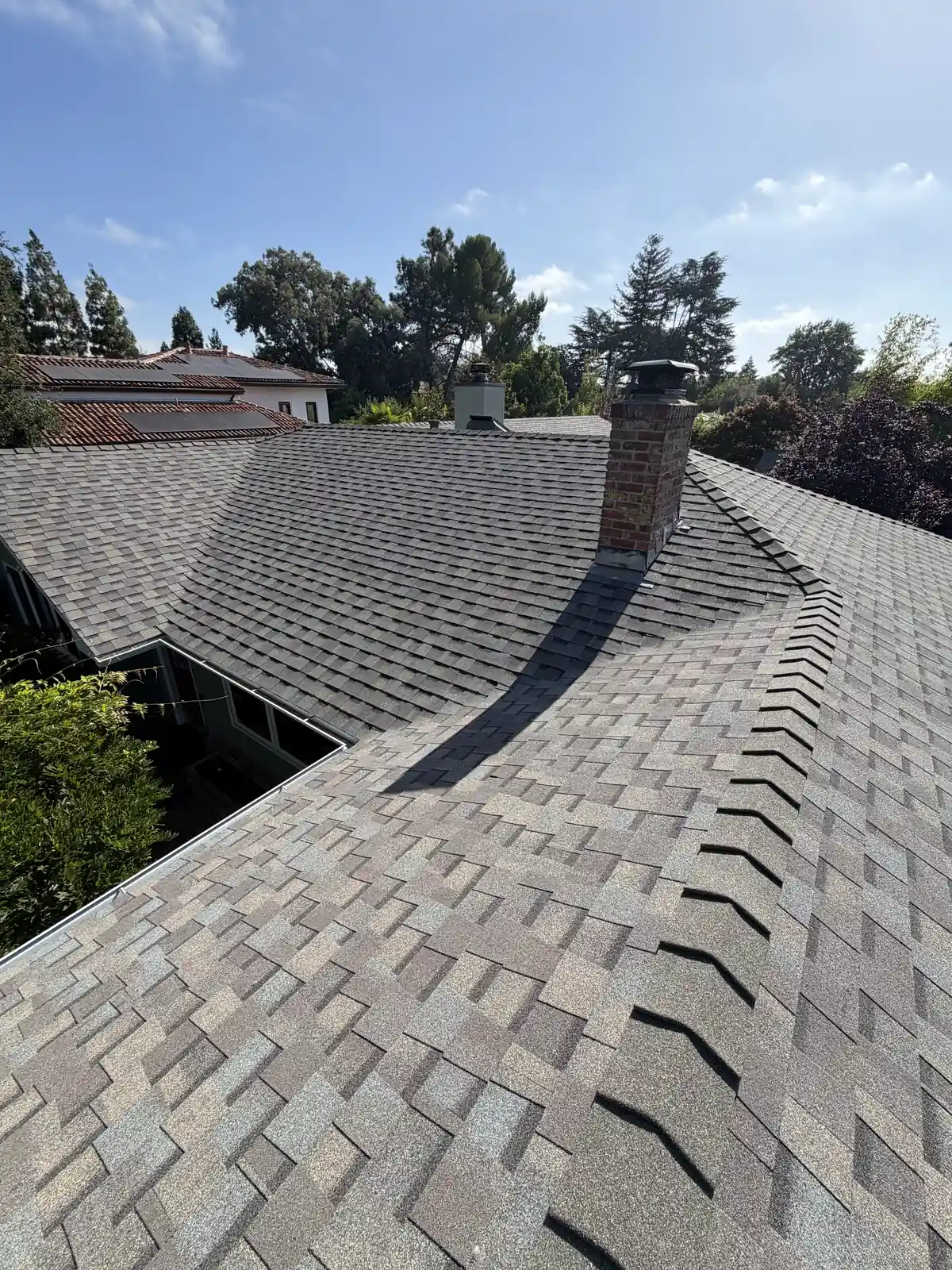
Roof Maintenance in Fremont, CA
Nobody looks at a roof until it leaks, and by then the cheap fix has become a big one.
Nobody looks at a roof until it leaks, and by then the cheap fix has become a big one. A roof maintenance visit from Sonrise Roofing is a yearly hour or two on the roof that clears what the trees dropped, treats the moss on the shady slope, reseals the flashings and catches the loose shingle or split boot before the November rain finds it.
We are a family roofing company in Fremont, roofing the East Bay since 1986, and a good share of our maintenance customers have roofs we did not install. That is fine. The point is to keep the roof you have going as long as it will go.
What a Yearly Maintenance Visit Covers
The visit starts on the ground with a look at the gutters, the fascia and the stains on the siding that tell us where water has been going. Then it moves onto the roof. We clear the debris off the field and out of the valleys, clean the gutters and flush the downspouts, and walk every foot of the roof looking at the things that fail first: pipe flashings, vent hoods, chimney and wall flashing, valleys, ridge caps, skylight curbs and the exposed nails that work loose over a few summers.
Every flashing that needs it gets resealed. Popped nails are reset and sealed. A cracked pipe boot, a lifted shingle or a slipped tile gets fixed on the spot when it is a small job; anything larger gets photographed and written up so you can decide. You get a short report with photos, which is worth keeping in the house file for the day you sell. If the roof is getting near the end, we will say so, and the roof inspections page covers the fuller written report a buyer or insurer wants.
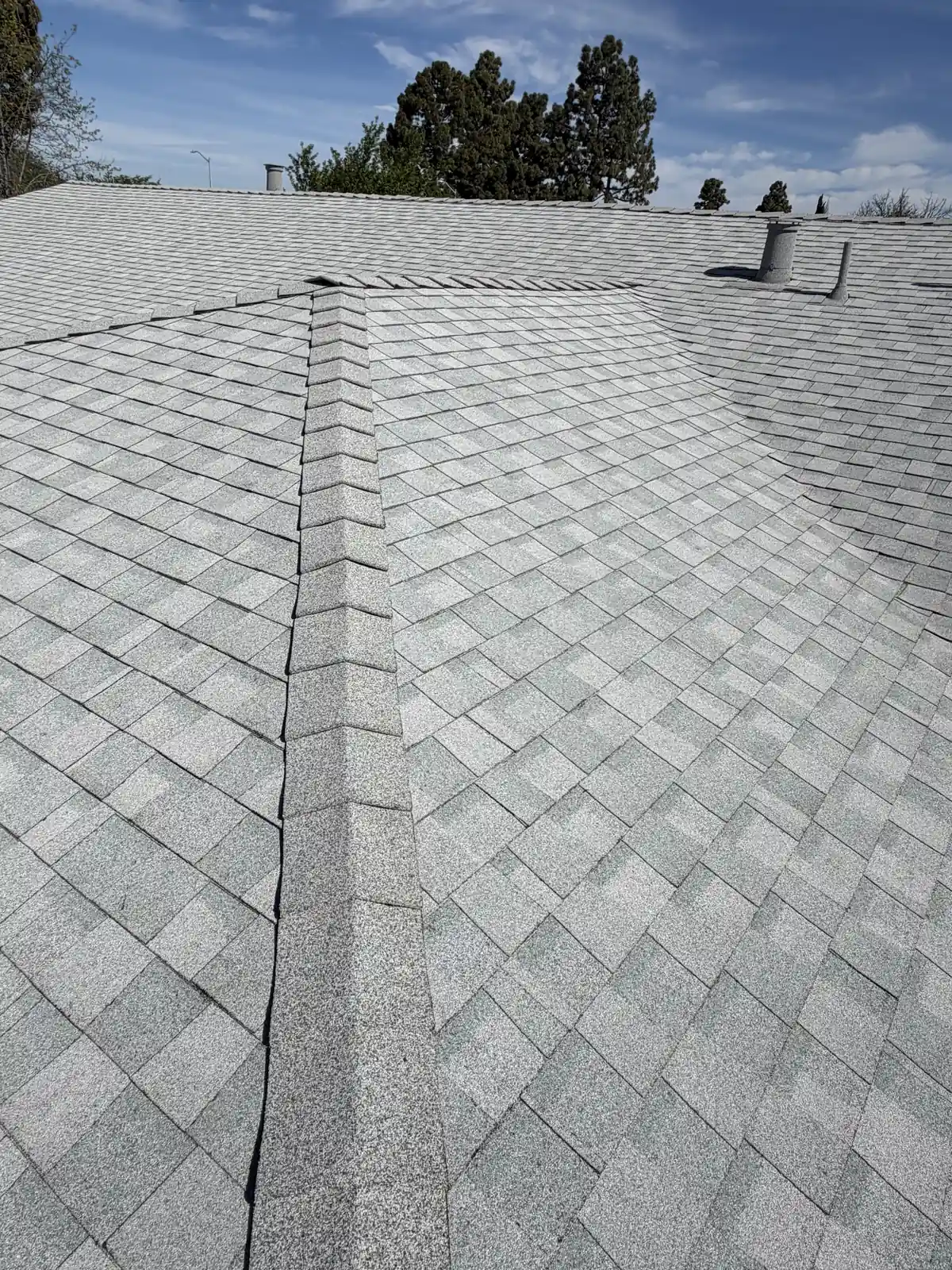
Composition, Tile and Low-Slope Roofs Need Different Care
Most of the roofs in Fremont, Sunnyvale and the rest of the flats are composition shingle, and maintenance there is mostly about the flashings, the valleys and keeping the north slope clear of moss. Granule loss along the eaves and around the pipes tells us how much life is left.
Tile roofs, common in the newer subdivisions and on the Spanish-style houses in Santa Clara and up the Peninsula, wear differently. The tile itself lasts a long time; what fails is the underlayment beneath it and the mortar or foam at the ridges and hips. A tile roof visit is about slipped and broken tiles, birds and debris in the open ends at the eaves, and the condition of the flashings where the tile meets a wall or a pipe. We walk tile carefully and only where it is safe to step; a careless boot breaks more tiles than a winter does.
Low-slope sections, the flat porch roof or the addition off the back of a 1960s ranch house, collect water and debris in a way a pitched roof never does. Those get their drains and scuppers cleared, the seams and edge metal checked, and the surface looked over for blisters, cracks and ponding. Small commercial roofs get the same treatment on a plan; the commercial roofing page covers that side.
Roof Cleaning and Moss Removal
If a roof slope faces north and sits under a tree, it grows moss. That is true from Redwood City across the bay to Fremont, and it is worst where fog and shade keep the shingles damp into the afternoon. Moss holds water against the shingle, lifts the edges as it thickens, and in a freeze-free climate it never dies back on its own. Black algae streaks are cosmetic by comparison, but they run down the same slopes and the two usually arrive together.
We remove moss gently. A stiff brush or a plastic scraper takes the thick growth off working down the slope, never up under the shingle edges, followed by a treatment that kills what is left and slows the regrowth. We do not pressure wash shingles. Ever. A pressure washer strips the granules that protect the asphalt from the sun and drives water up under the courses, and a roof that has been power washed loses years of life in an afternoon. Tile can take a firmer cleaning than shingle but still not high pressure, which breaks the seal at the laps and floods the underlayment.
Once the roof is clean, a zinc or copper strip near the ridge lets rain carry a small amount of metal down the slope that keeps moss from coming back as fast, and trimming the branches that shade the roof does more than any treatment. The post on moss, algae and tree debris on East Bay roofs goes into what each kind of tree does to a roof.
Roof Waterproofing
Waterproofing is the part of maintenance that buys a roof time. On low-slope sections, an elastomeric or acrylic roof coating rolled over a sound but aging surface seals the small cracks, reflects the summer heat and adds years to a roof that is not ready to be replaced. The surface has to be clean and dry and the seams and edges primed and reinforced first, or the coating peels in the first winter. Coatings are a maintenance product for a roof in fair shape, not a way to save a roof with wet insulation or a rotten deck, and we will tell you which one you have.
On pitched roofs, waterproofing means the flashings. Chimney counterflashing gets cleaned and resealed where it meets the brick or stucco. Wall flashing behind the siding gets checked where the roof meets a second story. Skylight curbs get new sealant at the corners. Valleys get cleared and any exposed nails sealed. Pipe flashings get new sealant at the collar where the rubber has cracked from the sun, and where the flashing base itself has rusted through, it gets replaced. Where we find an actual leak, the roof leak repair and detection page describes how we track it back to its source.
The Visit Before the Rainy Season
The right time for a maintenance visit is September or October, after the trees have started dropping and before the first real storm. Everything the summer did to the roof is visible: the cracked sealant, the debris in the valleys, the gutter full of oak leaves, the pipe boot that split in the heat. Fixing it in October costs an hour. Finding it in January, in the rain, with water on the ceiling, costs a lot more and often a wait, because everyone else found theirs the same night.
We schedule fall visits in order through the East Bay and South Bay, and the calendar fills. If you want the roof looked at before the rains, call in late summer. The gutters and downspouts page covers the gutter side of getting ready, and we do the two together on the same trip.
Pipes and Vents That Stay Sealed: Stone-Coated Flashings
The single most common thing we fix on a maintenance visit is a painted pipe flashing. The paint most roofers put on a pipe jack begins to wear off within the first year, the metal starts to rust, and the base of the flashing, where the sheet metal is thinnest and most likely to have a flaw, is where the leak eventually shows up. Sonrise Roofing replaces those with stone-coated flashings from California Stone Coating, the Fremont manufacturer. The stone-coated finish matches the shingle color, resists rust, is designed not to chip, peel or fade, and helps waterproof the flashing at the base of the pipe, which is exactly where we spend the most sealant on other people's roofs. Swapping the painted jacks for stone-coated ones during a maintenance visit is the closest thing to a permanent fix that maintenance offers. Read about stone-coated flashings.
Ready to Start Your Project?
Contact us to schedule your free, no-obligation estimate. Adeline comes out, looks at the roof, and puts it in writing.
Get Free Estimate
Testimonials
Real feedback from the East Bay and South Bay homeowners who trusted Sonrise Roofing with their roofs.
Frequently Asked Questions
Once a year for most houses, in the fall before the rains. A roof under heavy trees or one with a lot of moss benefits from a second, lighter visit in spring to clear what the winter left. A new roof with stone-coated flashings and no trees over it can go longer between visits, but a yearly look is still cheap insurance against surprises.
No. Pressure washing strips the protective granules off composition shingles and forces water under tile. We remove moss and debris by hand with brushes and scrapers, then apply a treatment that kills the remaining growth. It takes longer and the roof lasts longer.
No. A coating extends a low-slope roof that is still sound. It cannot fix wet insulation, a soft deck or failed seams. We check the roof first and tell you honestly whether a coating is worth the money or whether it is time to talk about replacement.
Yes. Most of our maintenance customers came to us with an existing roof. The first visit is a little longer because we are learning the roof, and after that it is routine.
It depends on the size and pitch of the roof, how much moss and debris there is, and whether the gutters are included. Adeline will give you a written price after a look at the roof, and estimates are free. Call (510) 791-6457.

Book a Fall Roof Maintenance Visit
Call (510) 791-6457 and tell us about the roof, the trees and any stains you have seen inside. Adeline will set a time, walk the roof, and give you a written report with photos. Or reach us through the contact page. We take maintenance calls across the East Bay and South Bay.